
 bhaveshjachak8@gmail.com
 +91-9370348728
Common AI Marketing Mistakes Businesses Should Avoid
A Complete Guide by Digitza



Artificial Intelligence (AI) has transformed digital marketing. From content creation and SEO to advertising and customer engagement, AI tools are helping businesses save time, improve efficiency, and scale faster than ever before.
However, many businesses rush into AI adoption without a proper strategy. While AI can be a powerful assistant, relying on it incorrectly can lead to poor content quality, wasted ad spend, lower search rankings, and reduced customer trust.
At Digitza, we help businesses leverage AI strategically while maintaining the human creativity and expertise needed to achieve real marketing results.
In this article, we’ll explore the most common AI marketing mistakes businesses make and how to avoid them.
1. Relying Completely on AI-Generated Content
One of the biggest mistakes businesses make is publishing AI-generated content without any human review.
AI can generate blogs, social media captions, emails, and ad copy quickly, but it doesn’t always understand your brand voice, audience emotions, or industry nuances.
Why It’s a Problem
- Generic content
- Repetitive messaging
- Factual inaccuracies
- Reduced brand authenticity
Best Practice
Use AI for:
- Content ideas
- Draft creation
- Research assistance
Then let human marketers refine:
- Tone
- Messaging
- Storytelling
- Brand personality
2. Ignoring SEO Fundamentals


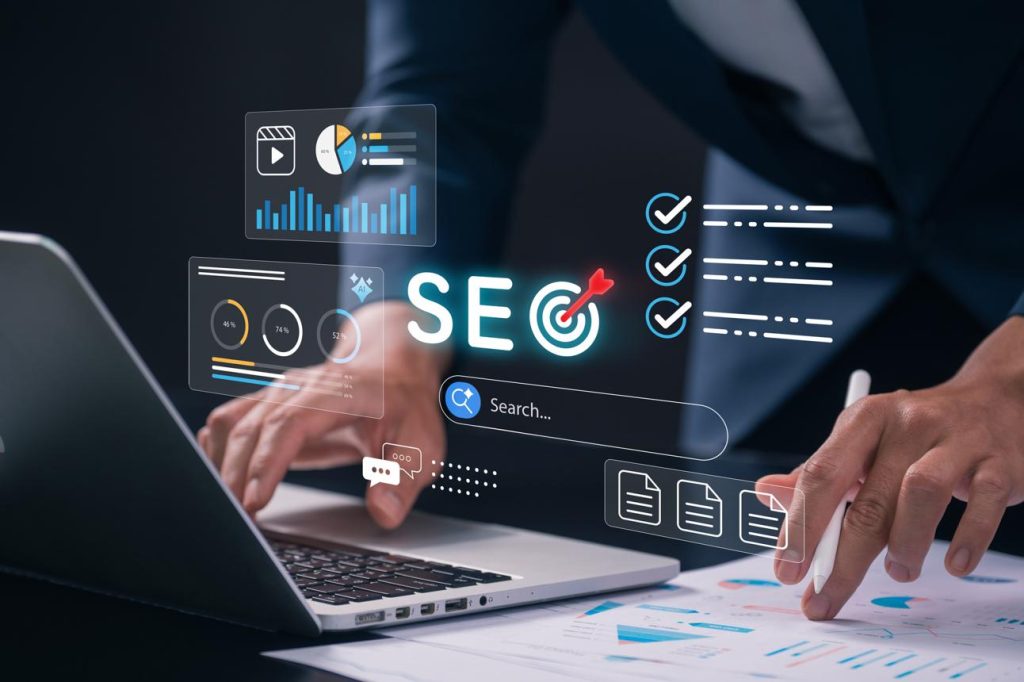
Many businesses assume AI-written content will automatically rank on search engines.
The reality is that Google prioritizes helpful, high-quality, and user-focused content—not simply AI-generated text.
Common Mistakes
- Keyword stuffing
- Publishing low-quality AI articles
- No internal linking
- Ignoring search intent
Best Practice
Combine AI tools with:
- Proper keyword research
- Content optimization
- On-page SEO
- User-focused writing
AI should support your SEO strategy, not replace it.
3. Using AI Without a Clear Marketing Strategy
AI tools can automate tasks, but they cannot define your business goals.
Businesses often purchase multiple AI tools without knowing:
- Who their target audience is
- What their objectives are
- Which KPIs matter
Best Practice
Before implementing AI, define:
- Marketing goals
- Customer personas
- Sales funnel stages
- Content strategy
AI works best when guided by a clear business plan.
4. Over-Automating Customer Interactions
Chatbots and AI assistants can improve customer support, but excessive automation can frustrate users.
Warning Signs
- Generic responses
- Unresolved customer issues
- Lack of human support
- Poor customer experience
Best Practice
Use AI for:
- FAQs
- Initial customer inquiries
- Lead qualification
Provide human assistance when customers need personalized support.
5. Not Fact-Checking AI Outputs


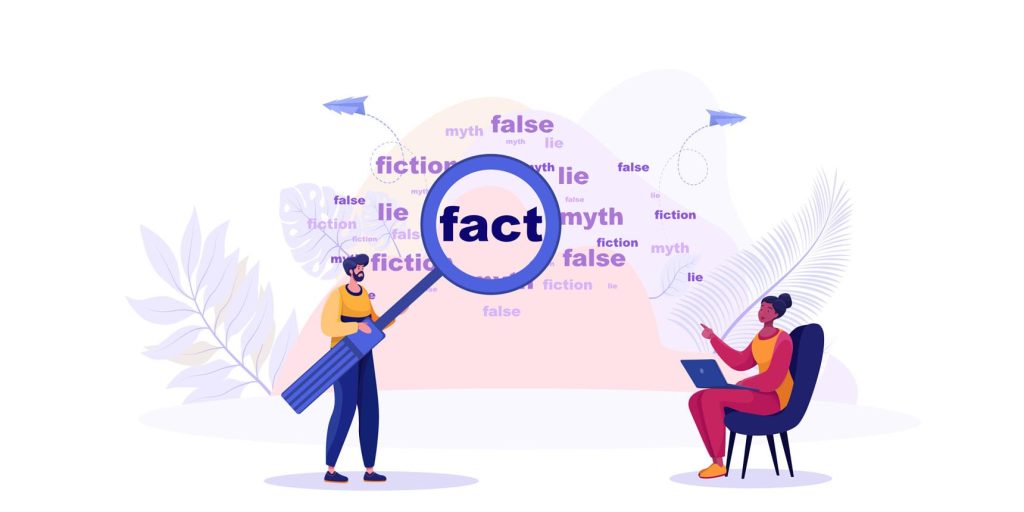
AI models can occasionally generate incorrect information.
Publishing inaccurate content can damage your brand’s credibility.
Examples
- Incorrect statistics
- Outdated information
- Wrong product details
- Misleading marketing claims
Best Practice
Always verify:
- Data
- Statistics
- Industry trends
- Product information
Treat AI-generated content as a draft, not a final version.
6. Creating Content Without Brand Consistency
Your audience should instantly recognize your brand regardless of the platform.
Many businesses use AI-generated content that sounds different every time.
Risks
- Confusing messaging
- Weak brand identity
- Reduced audience trust
Best Practice
Create brand guidelines including:
- Tone of voice
- Writing style
- Key messaging
- Brand values
Train your AI workflows around these guidelines.
7. Expecting Instant Results
AI is not a magic solution.
Many businesses expect:
- Immediate traffic growth
- Instant lead generation
- Overnight sales increases
Marketing success still requires:
- Strategy
- Testing
- Optimization
- Consistency
Best Practice
View AI as a productivity tool that accelerates marketing efforts rather than replacing the marketing process itself.
8. Ignoring Data Privacy and Compliance
As AI tools collect and process customer information, businesses must handle data responsibly.
Common Risks
- Collecting excessive customer data
- Using unapproved AI tools
- Lack of transparency
Best Practice
Ensure compliance with:
- Data privacy regulations
- Customer consent requirements
- Secure data management practices
Trust is one of the most valuable assets your business can build.
9. Using Too Many AI Tools
Many marketers sign up for multiple AI platforms hoping to improve productivity.
The result?
- Tool overload
- Workflow confusion
- Increased costs
Best Practice
Choose a focused AI stack for:
- Content creation
- SEO
- Design
- Analytics
A few well-integrated tools are often more effective than dozens of disconnected platforms.



The most successful brands use AI to enhance human creativity—not replace it.
Customers connect with:
- Stories
- Emotions
- Experiences
- Authentic communication
AI can generate content, but human marketers create meaningful connections.
Best Practice
Combine:
- AI efficiency
- Human creativity
- Strategic thinking
- Customer understanding
This balance produces the strongest marketing results.
Final Thoughts
AI is reshaping the digital marketing landscape, offering incredible opportunities for businesses to grow faster and work smarter. However, success doesn’t come from using AI alone—it comes from using AI strategically.
Businesses that combine artificial intelligence with expert marketing knowledge will consistently outperform those that rely solely on automation.
At Digitza, we help businesses integrate AI into their digital marketing strategy while maintaining creativity, authenticity, and measurable results.
Whether it’s SEO, social media marketing, content creation, website development, performance marketing, or lead generation, the key is using AI as a powerful assistant—not a replacement for smart marketing.